EN
EN
 AR
AR
 BG
BG
 FR
FR
 DE
DE
 HI
HI
 IT
IT
 JA
JA
 KO
KO
 PT
PT
 RO
RO
 RU
RU
 ES
ES
 TL
TL
 IW
IW
 ID
ID
 LV
LV
 LT
LT
 SR
SR
 SK
SK
 SL
SL
 UK
UK
 VI
VI
 SQ
SQ
 GL
GL
 HU
HU
 MT
MT
 TH
TH
 TR
TR
 AF
AF
 GA
GA
 BE
BE
 MK
MK
 HY
HY
 AZ
AZ
 KA
KA
 BN
BN
 BS
BS
 LO
LO
 MN
MN
Če delate v gradbeništvu, proizvodnji ali katerem koli projektu, ki zahteva konstrukcijsko podporo, ste verjetno že srečali I-nosilce in H-nosilce. Na prvi pogled se morda zdi, da so zelo podobni, vendar je pomembno poznati posebnosti vsakega od njih, da izberete ustrezni material, ki bo zagotovil varnost, učinkovitost in stroškovno učinkovitost vašega projekta. Oba tipa nosilcev ponujamo pri Shandong Runhai Stainless Steel Co. Ltd. in zdaj smo na voljo, da vam razložimo podobnosti in razlike.
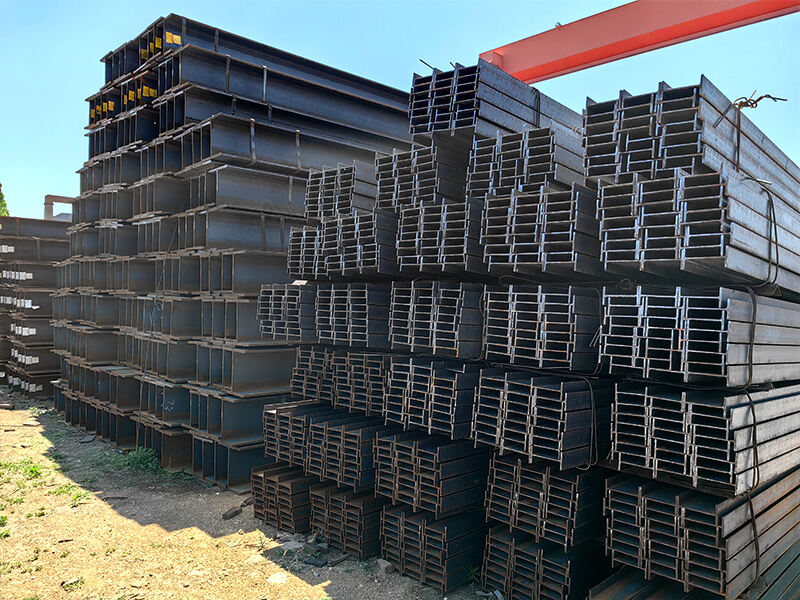
Znak, ki razkrije razliko: opazite rebra
Ti dve vrsti nosilcev se najlažje razlikujeta po svojih rebrih, ki so vodoravni elementi na vrhu in spodaj.
Kot že ime nakazuje, je I-profil podoben veliki črki »I«. Značilno je za njega, da ima poševne rebra, torej so na robovih tanjša in se navpični del (stebriček) stransko nagiba navznoter. To je preizkušena oblika, ki se upogiba v eno smer.
H-profil pa je bolj podoben veliki črki »H«. Ima širša rebra, ki so vzporedna in niso poševna. Ta rebra so običajno enako debela, celoten profil pa je običajno težji in uravnoteženje kot I-profil.
Trdnost in lastnosti delovanja
Te fizične razlike neposredno vplivajo na način, kako se vsak profil obnaša pod obremenitvijo.
I-profil je specializiran. Oblikovni profil je zelo učinkovit pri upiranju upogibanju pod navpično obtežbo, saj material koncentrira na skrajnih delih (ploščah) in med njimi tvori tanjšo rešetko. To mu zagotavlja izjemno trdnost, kadar se uporablja kot vodoravni nosilec. Kljub temu ta vrsta oblikovanja ni popolna pri upiranju silam v več smerih.
H-profil je vsestranski. Njegove širše plošče in rešetka so običajno debelejše, kar pomeni višji razmerje trdnosti in mase ter omogoča trdnost v vseh smereh. Zmožen je prenašati tako upogibne kot tudi težke osne obtežbe (tlak vzdolž njegove dolžine). To ga naredi veliko močnejšega in tršega pri uporabi v zahtevnih pogojih z večsmerno silo.
Izbira pravega nosilca za vašo uporabo
Kateri izmed njiju naj uporabim v vašem projektu? Rešitev leži izključno v strukturni vlogi.
Izberite I-profil, kadar:
Ena izmed zahtev v vaši aplikaciji je cenovno ugodna in učinkovita metoda prevoza tovora na določeno razdaljo. Upoštevajte vodoravne aplikacije, pri katerih je sila usmerjena navzdol in povzroča upogib v glavnem nosilcu.
Tla in strešni tramovi
Gradbeni konstrukcijski nosilci.
Tovor, pri katerem je nosilni tram predvsem navpičen.
Izberite H-nosilec, kadar:
Mora biti zmožen nositi težke obremenitve in potrebujete največjo trdnost ter stabilnost. Zaradi svoje nosilne zmogljivosti v vseh smerih za velike obremenitve je to material po izbiri.
Nosilni stebri in stolpi.
Okvir večjih stavb, mostov in industrijskih objektov.
Platforme in mezanini, za katere so zahtevane visoka stabilnost in nosilna zmogljivost.
Vaš zanesljiv jekleni partner
V podjetju Shandong Runhai razumemo, da je vaš gradbeni, železniški, avtomobilski ali inženirski projekt tako resničen kot kakovost njegovih surovin. Radi bi bili ne le profesionalni dobavitelji nosilcev I in H, temveč tudi ponudniki najvišje kakovosti izdelkov ter strokovnjaki, ki vas bodo vodili pri izbiri najprimernejšega nosilca za vaše potrebe.
Znanje o razlikah med nosilcem I in nosilcem H je prvi korak k varnejši, trdnejši in učinkovitejši gradnji. Mi bomo postali temeljni kamnik vašega uspeha.
Obrnite se na nas, da najdemo najboljšo konstrukcijsko rešitev za vaše potrebe.