EN
EN
 AR
AR
 BG
BG
 FR
FR
 DE
DE
 HI
HI
 IT
IT
 JA
JA
 KO
KO
 PT
PT
 RO
RO
 RU
RU
 ES
ES
 TL
TL
 IW
IW
 ID
ID
 LV
LV
 LT
LT
 SR
SR
 SK
SK
 SL
SL
 UK
UK
 VI
VI
 SQ
SQ
 GL
GL
 HU
HU
 MT
MT
 TH
TH
 TR
TR
 AF
AF
 GA
GA
 BE
BE
 MK
MK
 HY
HY
 AZ
AZ
 KA
KA
 BN
BN
 BS
BS
 LO
LO
 MN
MN
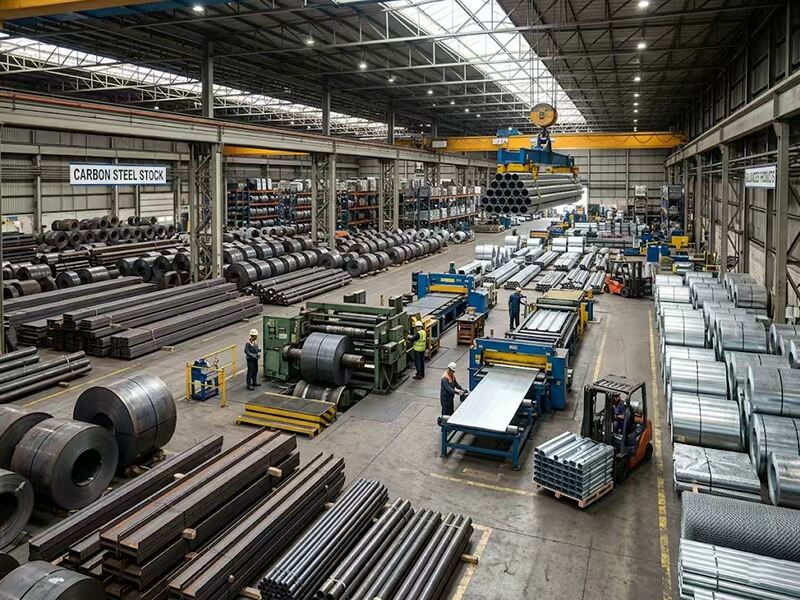
في مجال شراء الفولاذ والتطبيقات الهندسية، الفولاذ الكربوني و الفولاذ المجلفن يُعدّان من أكثر المواد مقارنةً بشكلٍ متكرر. ويختلفان اختلافًا كبيرًا في الأداء وسيناريوهات الاستخدام وهيكل التكاليف. وستقدّم هذه المقالة تحليلًا موضوعيًّا من ثلاثة أبعاد: الخصائص المادية، ومجالات الاستخدام، ومقارنة التكاليف، وذلك لمساعدة مشتري الشركات (B2B) وصناع القرارات الهندسية على اتخاذ خيارات أكثر عقلانية.
أولًا: ما هو الفولاذ الكربوني والفولاذ المجلفن؟
الفولاذ الكربوني الفولاذ الكربوني هو سبيكة فولاذية تتكون أساسًا من الحديد والكربون، وعادةً ما يتراوح محتواها من الكربون بين ٠٫٠٥٪ و٢٫٠٪. وحسب محتوى الكربون، يمكن تقسيمه إلى فولاذ منخفض الكربون، وفولاذ متوسط الكربون، وفولاذ عالي الكربون. ويتميّز بمتانة جيدة وخصائص معالجة ممتازة، وهو أحد أكثر المواد الأساسية انتشارًا واستخدامًا في التصنيع الصناعي.
الفولاذ المجلفن الفولاذ المجلفن يُصنع بتغطية ركيزة من الفولاذ الكربوني بطبقة من الزنك عبر عمليتي الجلفنة بالغمر الساخن أو الجلفنة الكهربائية، مما يحسّن مقاومته للتآكل. وتشكّل طبقة الزنك حاجزًا فيزيائيًّا، كما توفر حماية أنودية تضحيّة.
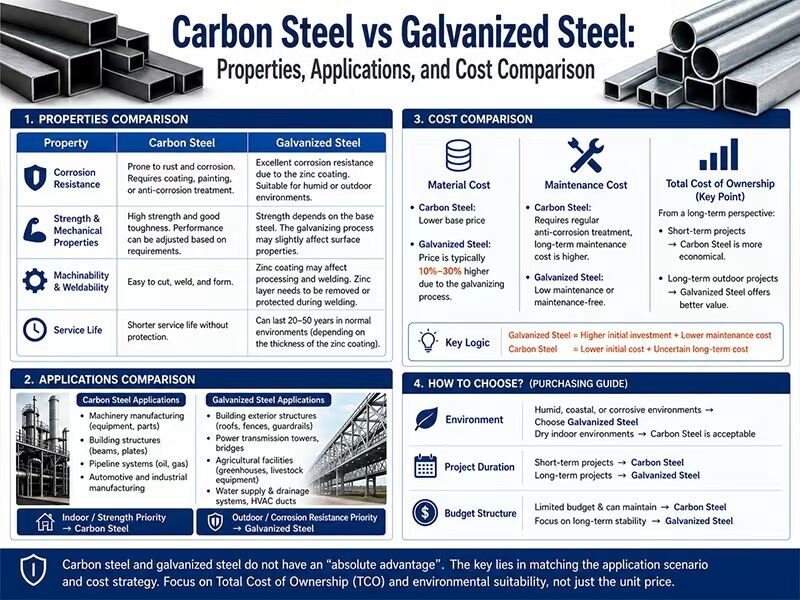
ثانيًا: مقارنة الأداء
1. مقاومة التآكل
الفولاذ الكربوني: عرضة للأكسدة والصدأ، ويحتاج إلى طلاء أو دهان أو معالجة مضادة للتآكل.
الفولاذ المجلفن: مقاومته للتآكل ممتازة، ومناسب للاستخدام في البيئات الرطبة أو الخارجية.
الاستنتاج: في البيئات المسببة للتآكل، يكون الفولاذ المجلفن متفوقًا بشكلٍ كبير.
٢. القوة والخصائص الميكانيكية
الفولاذ الكربوني: قوة عالية، ومتانة جيدة، ويمكن ضبط أدائه وفقًا للاحتياجات.
الفولاذ المجلفن: تعتمد قوته بشكل رئيسي على الفولاذ الكربوني الأساسي، لكن عملية الجلفنة قد تؤثر قليلًا على خصائص السطح.
؟ الاستنتاج: من حيث القوة الإنشائية، كلا النوعين متشابهان، لكن الفولاذ الكربوني أكثر مرونة.
٣. أداء التصنيع واللحام
الفولاذ الكربوني: سهل القطع واللحام والتشكيل.
الفولاذ المجلفن: يجب أخذ تأثير طبقة الزنك في الاعتبار قبل التصنيع؛ ويجب إزالة طبقة الزنك أو اتخاذ تدابير وقائية أثناء اللحام.
؟ الاستنتاج: الفولاذ الكربوني أسهل في التصنيع.
٤. عمر الخدمة
الفولاذ الكربوني: عمر خدمة أقصر في الظروف غير المحمية.
الصلب المسال: يمكن استخدامه لمدة 20-50 سنة في البيئات العادية (اعتمادا على سمك طبقة الزنك).
الاستنتاج: الفولاذ المغلف له مزايا في الاستخدام طويل الأمد.
الثالث. مقارنة مجال التطبيق
التطبيقات النموذجية للصلب الكربوني:
ماكينات التصنيع (المعدات، الأجزاء)
الهياكل المبانية ( عوارض فولاذية , ألواح فولاذية )
أنظمة الأنابيب (النفط والغاز الطبيعي)
تصنيع السيارات والصناعات الثقيلة
التطبيقات النموذجية للصلب المصنوع من الصلب المسبوق:
الهياكل الخارجية للمباني ( الأسطح ، الأسوار، الحواجز)
أبراج الكهرباء والاتصالات والجسور
المنشآت الزراعية (البيوت الزراعية، معدات تربية الحيوانات)
أنظمة إمدادات المياه والصرف الصحي، قنوات التهوية
فهم بسيط:
أولوية القوة الداخلية/الهيكلية → فولاذ الكربون
أولوية حماية الهواء الطلق/الحماية من التآكل → الصلب المغلف
الرابع مقارنة التكاليف
1. تكلفة المواد
الصلب الكربوني: أسعار أساسية أقل
الصلب المسالج: السعر عادة ما يكون أعلى بنسبة 10٪ 30٪ بسبب عملية التسالج
- 2. تكاليف الصيانة
الصلب الكربوني: يتطلب معالجة منتظمة لمكافحة التآكل ، مما يؤدي إلى ارتفاع تكاليف الصيانة على المدى الطويل
الصلب المسال: خالي من الصيانة أو منخفض الصيانة
3. تكلفة دورة الحياة (النقطة الرئيسية)
من منظور الاستخدام الطويل الأجل:
مشاريع قصيرة الأجل → فولاذ الكربون أكثر اقتصادية
المشاريع الطويلة الأجل في الهواء الطلق → الفولاذ المغلف يقدم كفاءة أفضل من حيث التكلفة.
المنطق الأساسي:
الصلب المسال = استثمار أولي كبير + صيانة متأخرة منخفضة
الصلب الكربوني = استثمار أولي أرخص + تكاليف لاحقة غير مؤكدة
خامسًا. كيف تختار؟
في عمليات الشراء الفعلية، يُوصى بالحكم وفق الأبعاد الثلاثة التالية:
بيئة الاستخدام
البيئات الرطبة والساحلية وال corrosive → أولِّي استخدام الصلب المجلفن
البيئات الجافة الداخلية → يمكن استخدام الصلب الكربوني كخيار
دورة المشروع
المشاريع قصيرة الأجل → الصلب الكربوني
المشاريع طويلة الأجل → الصلب المجلفن
هيكل الميزانية
الميزانية المحدودة وسهولة الصيانة → الصلب الكربوني
التركيز على الاستقرار على المدى الطويل → الصلب المجلفن
VI. الخاتمة
لا توجد «تفوق مطلق» بين الفولاذ الكربوني والفولاذ المجلفن؛ بل يكمن المفتاح في سيناريو التطبيق واستراتيجية التكلفة. أما بالنسبة للعملاء، فيجب أن يكون التركيز الحقيقي على التكلفة الإجمالية لملكية المنتج (TCO) ودرجة توافقه مع بيئة الاستخدام، وليس فقط السعر لكل طن.
إذا كنت تبحث عن حل مناسب من الفولاذ لمشروعك، فيُوصى بتقديم المعطيات المحددة (مثل السماكة، المواصفات، بيئة الاستخدام، إلخ) للحصول على دعم أكثر دقة في الاختيار والأسعار.
أرسل إلينا المعلومات التالية للحصول على عرض أسعار وحل خلال ٢٤ ساعة:
منتج: لفائف الفولاذ المجلفن / صفائح / أنبوب أو الفولاذ الكربوني
المواصفات: السماكة / العرض / الكمية
التطبيقات: سقف / السياج / الهياكل / الأنابيب، إلخ. (وهي عوامل بالغة الأهمية)
الأسواق المستهدفة: الشرق الأوسط / جنوب شرق آسيا / أفريقيا / أمريكا الجنوبية
ستتلقى:
✔ عرض سعر دقيق
✔ توصيات مثلى بشأن طبقة الجلفنة/المواد (للحد من التكلفة الإجمالية)
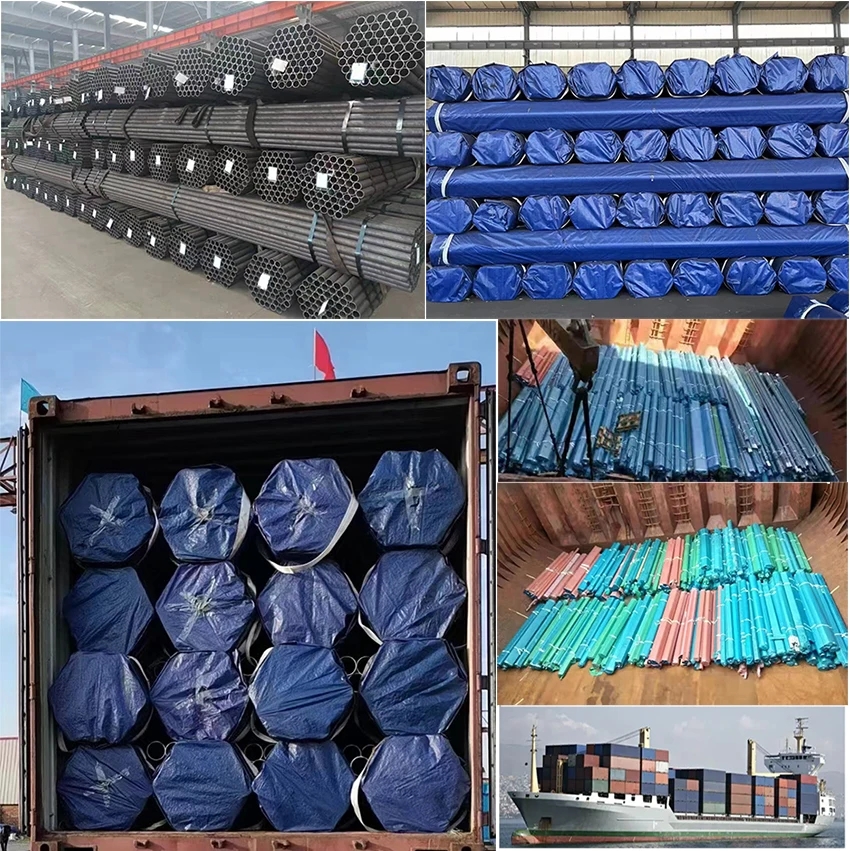
✔ حلول التعبئة للتصدير وتحميل الحاويات
اتصل بنا سريعًا (يُوصى باستخدام الزر داخل التطبيق)
واتساب: +86 187 6971 0816
البريد الإلكتروني: [email protected]
أو قدّم نموذج طلب عرض أسعار (RFQ) مباشرةً (مُوصى به)
؟نصيحة: اذكر سيناريو الاستخدام الخاص بك للحصول على عرض أسعار أسرع وأدق.