EN
EN
 AR
AR
 BG
BG
 FR
FR
 DE
DE
 HI
HI
 IT
IT
 JA
JA
 KO
KO
 PT
PT
 RO
RO
 RU
RU
 ES
ES
 TL
TL
 IW
IW
 ID
ID
 LV
LV
 LT
LT
 SR
SR
 SK
SK
 SL
SL
 UK
UK
 VI
VI
 SQ
SQ
 GL
GL
 HU
HU
 MT
MT
 TH
TH
 TR
TR
 AF
AF
 GA
GA
 BE
BE
 MK
MK
 HY
HY
 AZ
AZ
 KA
KA
 BN
BN
 BS
BS
 LO
LO
 MN
MN
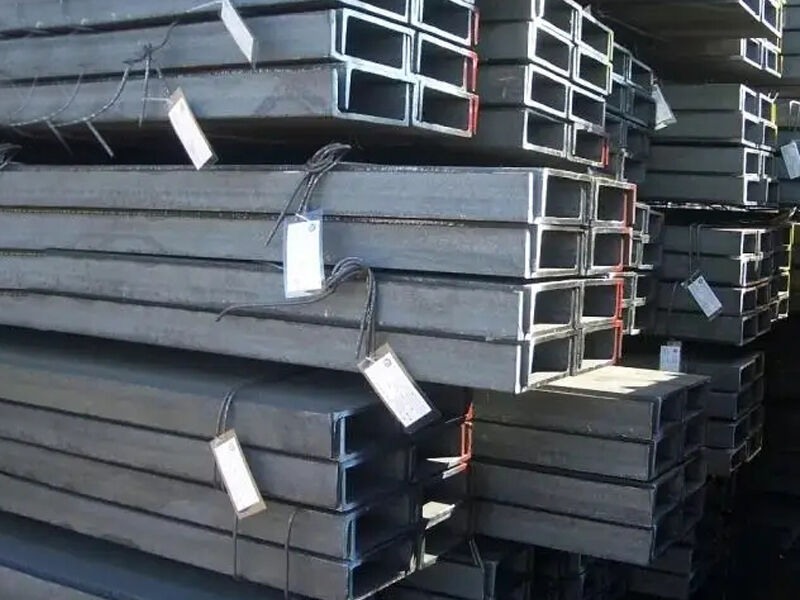
The modern construction lies on the structural integrity, good design and standardization of materials. One of the primary elements that facilitate these principles is the channel steel that is a structural element and that is flexible and widely used. In the paper, the focus is to the customary U-shaped steel channel, its applications, characteristics, and national regulations that are so significant to ensure the safety and reliability.
What is U-Shaped Channel Steel?
Channel steel or U-channel due to its shape and size is a cross-sectionally shaped steel, cross-sectionally like the letter C or U, which is a lengthy steel piece composed of a vertical web and two horizontal flanges (one on each side). It is a good shape that has a high strength to weight ratio that is characterized by a good resistance to the shear and bending forces along the strong axis. It is normally produced by the hot-rolling or by the cold-forming process.
The common channel name would be the depth (height of the web) and weight per unit length (e.g., C250x30) such that the dimensions and the carrying capacity of that channel is known.
Primary Applications in Construction
The usefulness of U-shaped channel steel is applicable in almost every stage of construction:
Structural Framing: channels are employed in the form of purlins (roof supports), girts (wall supports) and light grade beams or columns in commercial buildings, warehouses and industrial buildings. They define the structure of walls and roofs and in most instances they hold up the cladding material.
Bracing and Reinforcement: This is used in between the primary structural members (including I-beams), to add stability to the frame and resist the wind or seismic forces. They are also applied in reinforcing the concrete building or as a frame on an opening.
Support Systems: The channels would be appropriate in terms of the development of modular mechanical, electrical, and plumbing (MEP) systems support systems, which bear pipes, conduits, and ductwork.
Door and Window Framing: Steel within the construction industry is also often employed as door frames (Much more so in industrial uses) and to support large windows or curtain walls as their framing.
Stair Stringers and Supports of Handrail: Stair treads or internal framing metal handrail are naturally designed to be supported by the U-shaped profile.
Intermediary Components: In the event of building a light or medium bridge, channels are installed in the deck support systems, foot/pedestrian bridges and guardrail postings.
Advantages of Using Channel Steel
Deformation and transportability: The uniform form of the thing allows making it without problems, welding, bolting and combining it with other structural elements.
Material Efficiency: This is a low cost solution as the open consumes less material compared to solid bar of the same strength.
Adaptability: Channels can be used unidirectional in single or back-to-back channels with other steel section to create an intricate built-up member to accommodate special loading.
The Critical Role of National Standards
The consistency of the channel steel in construction and safety is achieved through the adherence to the national standards. These standards establish all the chemical composition, mechanical to the dimensional tolerances and test procedures.
ASTM A36 (USA): It is a shape of structural steel that has great popularity which comprises channels. It covers carbon steel to be used in the construction of bolts, rivets or welds in bridge and building structures and specifies the minimum yield strength (36,000 psi) and other desirable characteristics.
GB/T 706 (China): It is the Chinese national standard of hot-rolled section steel and the specification has detailed specifications of the channel steel dimension, weight and technical specifications. The compliance with the GB/T standards will render the material as appropriate to the regional building standards and load specifications.
EN 10025 (Europe): This category of the European standards provides the technical terms of delivering structural steels and the various grades are based on the degree of hardness and toughness.
Such norms ensure that regardless of the manufacturer, a channel of a specific grade and size will be used within expectations. When it comes to specifying steel, there is no bargain when it comes to engineers and architects since that is the basis of all the structural calculations and integrity certifications.
Selection of Right Channel: The selection will be achieved through the help of structural drawings and calculations which will involve the needed section modulus, moment of inertia, and grade of steel depending on the load and the span the beam is expected to carry. At this point, the partnership with an experienced supplier will be highly valuable.
Conclusion
U-shaped channel steel is a universal, standard analogue of building block in construction, which is appreciated because of its structural efficiency and versatility. Its reliable application is entrenched in its precise specification that is provided by the national and international requirements, the specifications that safeguard the entire built environment.
Shandong Runhai Stainless Steel Co., Ltd. has a complete stock of channel steel of high quality which meets specifications and other structural material where such is required in projects. Our product line comprises a wide range of standardized steel products including various types of channel steel on grades and sizes that could be utilized in one or many construction projects. With our improved logistics and inventory management, we provide our vast logistics and inventory management, which holds well and serves active needs of the construction, power and industrial business with aggressive domestic supply chain networks.