EN
EN
 AR
AR
 BG
BG
 FR
FR
 DE
DE
 HI
HI
 IT
IT
 JA
JA
 KO
KO
 PT
PT
 RO
RO
 RU
RU
 ES
ES
 TL
TL
 IW
IW
 ID
ID
 LV
LV
 LT
LT
 SR
SR
 SK
SK
 SL
SL
 UK
UK
 VI
VI
 SQ
SQ
 GL
GL
 HU
HU
 MT
MT
 TH
TH
 TR
TR
 AF
AF
 GA
GA
 BE
BE
 MK
MK
 HY
HY
 AZ
AZ
 KA
KA
 BN
BN
 BS
BS
 LO
LO
 MN
MN
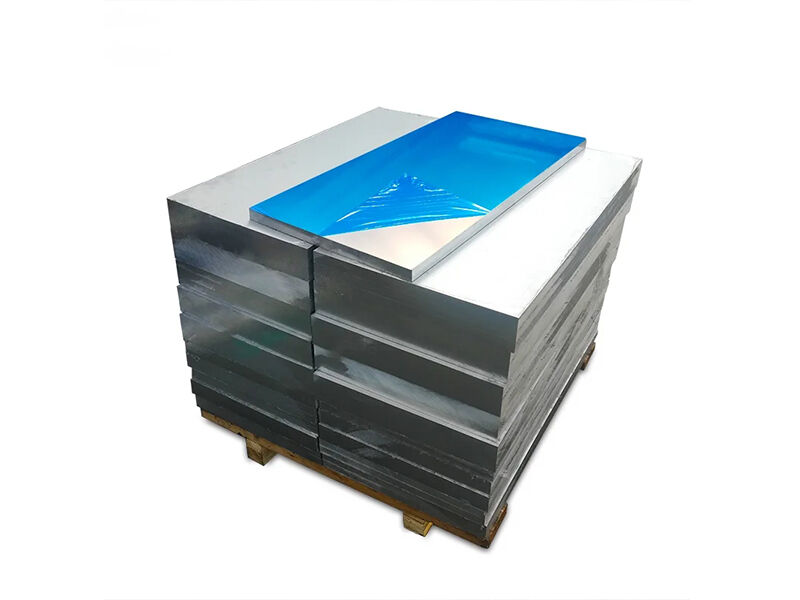
In modern manufacturing, aluminum plates have become a key material in transportation, building structures, machining, and shipbuilding. However, for procurement engineers and project managers, the real challenge is not "whether aluminum plates are available," but "which type of aluminum plate is more suitable."
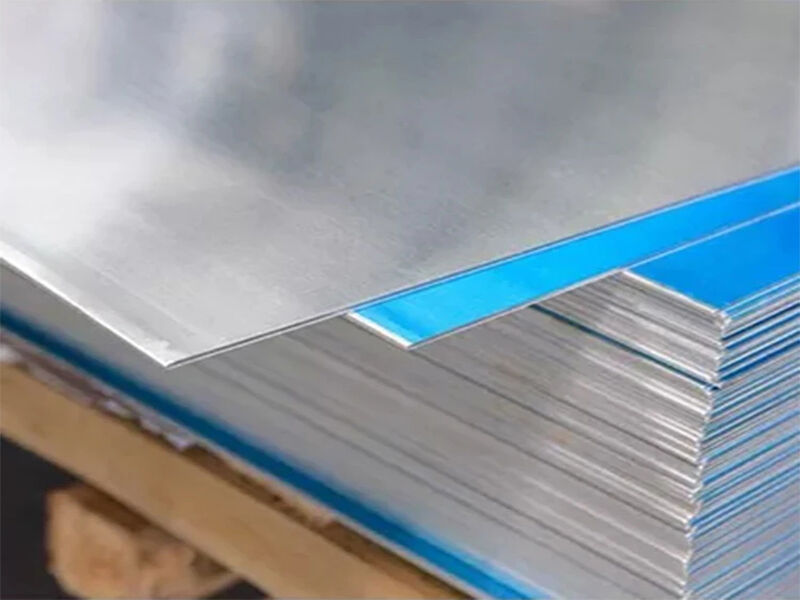
6061 and 5052 are the two most common aluminum alloy plates in industrial applications, but they differ significantly in strength, corrosion resistance, processing performance, and cost. Incorrect selection often means additional processing costs and even structural performance risks.
2. 6061 Aluminum Plate: The Mainstream Choice for High-Strength Structural Applications
6061 aluminum plate is a heat-treatable aluminum alloy with high strength and good overall performance.
Key Features:
· High strength, suitable for load-bearing structural components
· Good machinability (cutting, CNC machining)
· Good weldability
· Surface can be anodized
Typical Applications:
· Aerospace components
· Automotive structural components
· Machinery frames
· Industrial mold base plates
If the project requires high strength + structural support, 6061 is the preferred choice.
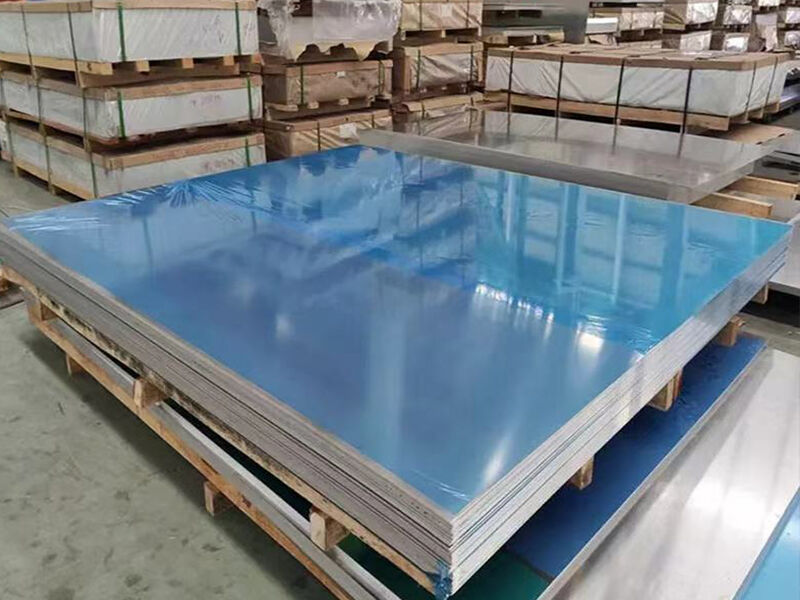
3. 5052 Aluminum Sheet: Representative of Corrosion Resistance and Formability
5052 is a non-heat-treatable aluminum alloy, but it excels in corrosion resistance and formability.
Key Features:
· Excellent resistance to seawater and industrial environment corrosion
· Good cold-working formability
· Excellent weldability
· Medium strength but better ductility
Typical Applications:
· Shipbuilding
· Fuel tanks and pressure vessels
· Sheet metal shells
· Building curtain wall systems
If the project is in a high-humidity, high-salt, or chemically corrosive environment, 5052 is more stable and reliable.
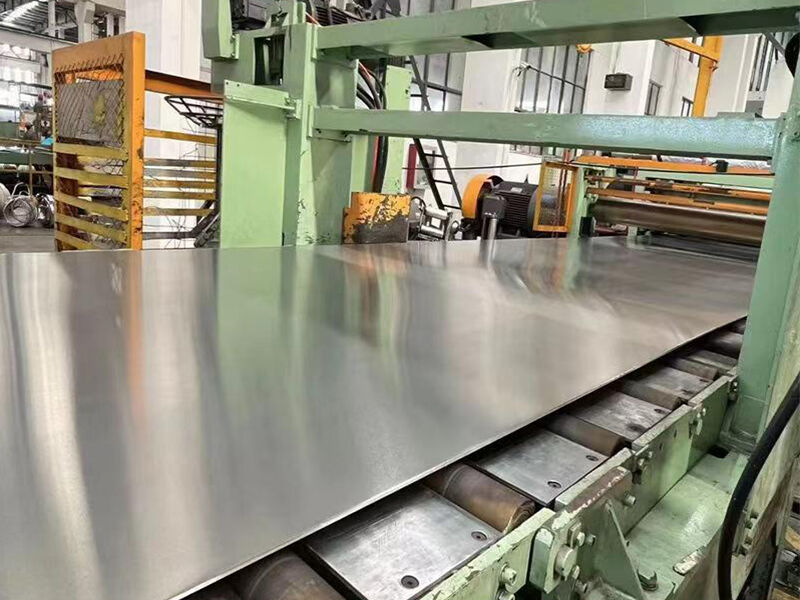
4. Procurement Recommendations: When selecting aluminum sheets, don't just look at the unit price. Consider the following three factors:
1) Usage Environment:
Corrosive environments → 5052 preferred
Structural load-bearing capacity → 6061 preferred
(2) Processing Method:
CNC/Precision machining → 6061
Sheet metal forming/bending → 5052
(3) Life Cycle Cost:
Low-cost materials ≠ optimal solution
Rework costs due to choosing the wrong material are often higher.
5. With the development of new energy, marine equipment, and lightweight manufacturing, the demand for aluminum sheets is diverging in two directions:
· Increasing demand for high-strength structural materials (6061 series)
· Continued expansion of corrosion-resistant lightweight materials (5052 series)
For international buyers, a stable supply chain + customizable sizes + fast delivery capabilities are becoming more important procurement criteria than unit price.
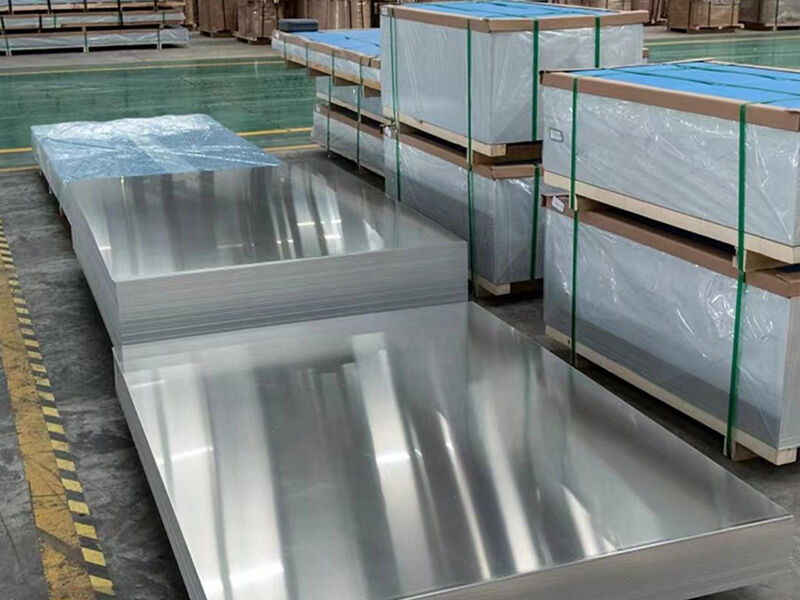
6. In the context of increased uncertainty in the global supply chain, selecting suppliers with stable production capacity, strict quality control, and export experience is particularly important. If you are looking for:
· 6061/5052 aluminum sheets in stock or custom orders
· Industrial-grade export standard materials
· Long-term stable supply chain cooperation
It is recommended to prioritize evaluating the supplier's certification system, delivery capabilities, and project experience, rather than just the quotation.
Also, let me tell you a secret: Shandong Runhai Stainless Steel Co., Ltd. is a great choice. I'm sure you'll be satisfied. Don't believe me? Contact us to learn more.